Reusable Flexible Endoscope

  • Reusable Flexible Bronchoscope

    Reusable Flexible Bronchoscope

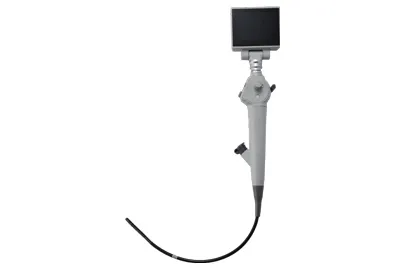
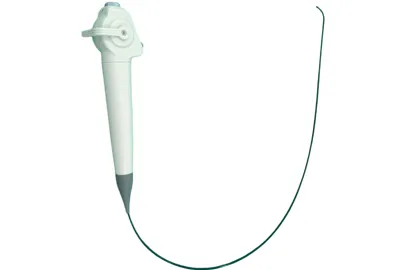
    Product Name: Electronic Bronchoscope

    Model specification: HY-ZQ2.0, HY-ZQ2.8, HY-ZQ4.5, HY-ZQ5.2, HY-ZQ5.8


    HY-ZQ electronic bronchoscope adheres to the spirit of crafts manship, using sufficient materials and fine workmanship, with a smaller outer diameter to achieve a larger instrument channel.The product consists of a bending part (including the tip), an inserting part, an operating part, a conical sheath and a video connecting line. The bending part and the inserting part are the application parts.


  • Reusable Flexible Nasopharyngoscope

    Reusable Flexible Nasopharyngoscope

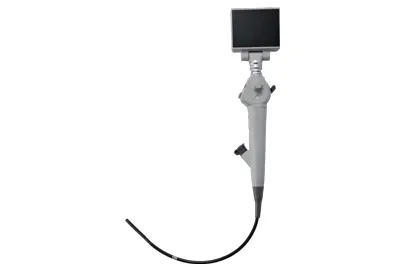
    Product Name: Electronic Nasopharyngoscope

    Model specifications: HY-BYH1, HY-BYH2, HY-BYH3, HY-BYH4


    HY-BYH electronic nasopharyngoscope adheres to the spirit of crafts manship, using sufficient materials and fine workmanship, with a smaller outer diameter to achieve a larger instrument channel; The nasopharyngoscope consist of 3 parts: the tip part, the operating part and the insertion part.


  • Reusable Flexible Ureteroscope

    Reusable Flexible Ureteroscope

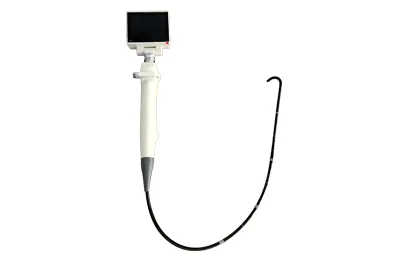
    Product Name: Electronic Ureteroscope

    Model specifications: HY-MN2.8


    HY-MN2.8 electronic ureteroscope adheres to the spirit of crafts manship, using sufficient materials and fine workmanship, with a smaller outer diameter to achieve a larger instrument channel;  The ureteroscope consist of 3 parts: the tip part, the operating part and the insertion part.


Reusable Endoscope

What Are The Advantages Of Reusable Endoscope?

Reusable endoscopes offer several important advantages in modern medical practice. First, they are cost-effective over the long term. Although the initial purchase price is relatively high, reusable endoscopes can be used many times after proper cleaning and sterilization. Hospitals and clinics can reduce the cost per procedure compared with continuously buying disposable devices.

Second, reusable endoscopes usually provide high-quality imaging and advanced performance. Many reusable models are designed with durable materials and sophisticated optical systems, allowing doctors to obtain clearer images during examinations and surgeries. This improves diagnostic accuracy and treatment effectiveness.

Another major advantage is environmental sustainability. Since reusable endoscopes are used repeatedly, they generate less medical waste than single-use endoscopes. This helps healthcare institutions reduce their environmental impact and supports greener medical practices.

In addition, reusable endoscopes are available in many specialized designs for different medical departments, such as gastroenterology, urology, and pulmonology. Their versatility makes them suitable for a wide range of clinical applications. Medical staff are also often more familiar with reusable systems because they have been widely used for many years.

However, proper maintenance and sterilization are essential to ensure patient safety. Hospitals must follow strict cleaning procedures to prevent cross-contamination and infections. With appropriate management, reusable endoscopes remain a reliable and efficient choice for healthcare providers worldwide.

Overall, reusable endoscopes combine economic benefits, excellent imaging quality, environmental advantages, and clinical versatility, making them an important tool in modern medicine.

Reusable Endoscope Use

Reusable endoscopes are widely used in modern medicine for diagnosis, treatment, and minimally invasive surgical procedures across different medical specialties.

Gastrointestinal Examination

Reusable endoscopes are commonly used in gastroenterology to examine the esophagus, stomach, and intestines. Doctors can detect ulcers, tumors, bleeding, and other digestive diseases with clear internal imaging.

Respiratory Tract Diagnosis

In pulmonology, reusable bronchoscopes help physicians observe the airways and lungs. They are useful for diagnosing infections, lung cancer, airway obstruction, and collecting tissue samples for further testing.

Urological Procedures

Reusable endoscopes are also widely applied in urology for examining the bladder and urinary tract. They assist doctors in diagnosing kidney stones, urinary tract abnormalities, and performing minimally invasive treatments.